Fintech · Wealth management · B2B2C
Evooq
Consolidating four wealth-management platforms into one unified product ecosystem.
Role
Product Designer / Business Analyst
Duration
2022 - 2024
Team
Product, Design & Engineering
Tools
Figma, Jira, Confluence, Miro, Power BI
OUTCOME
4 → 1
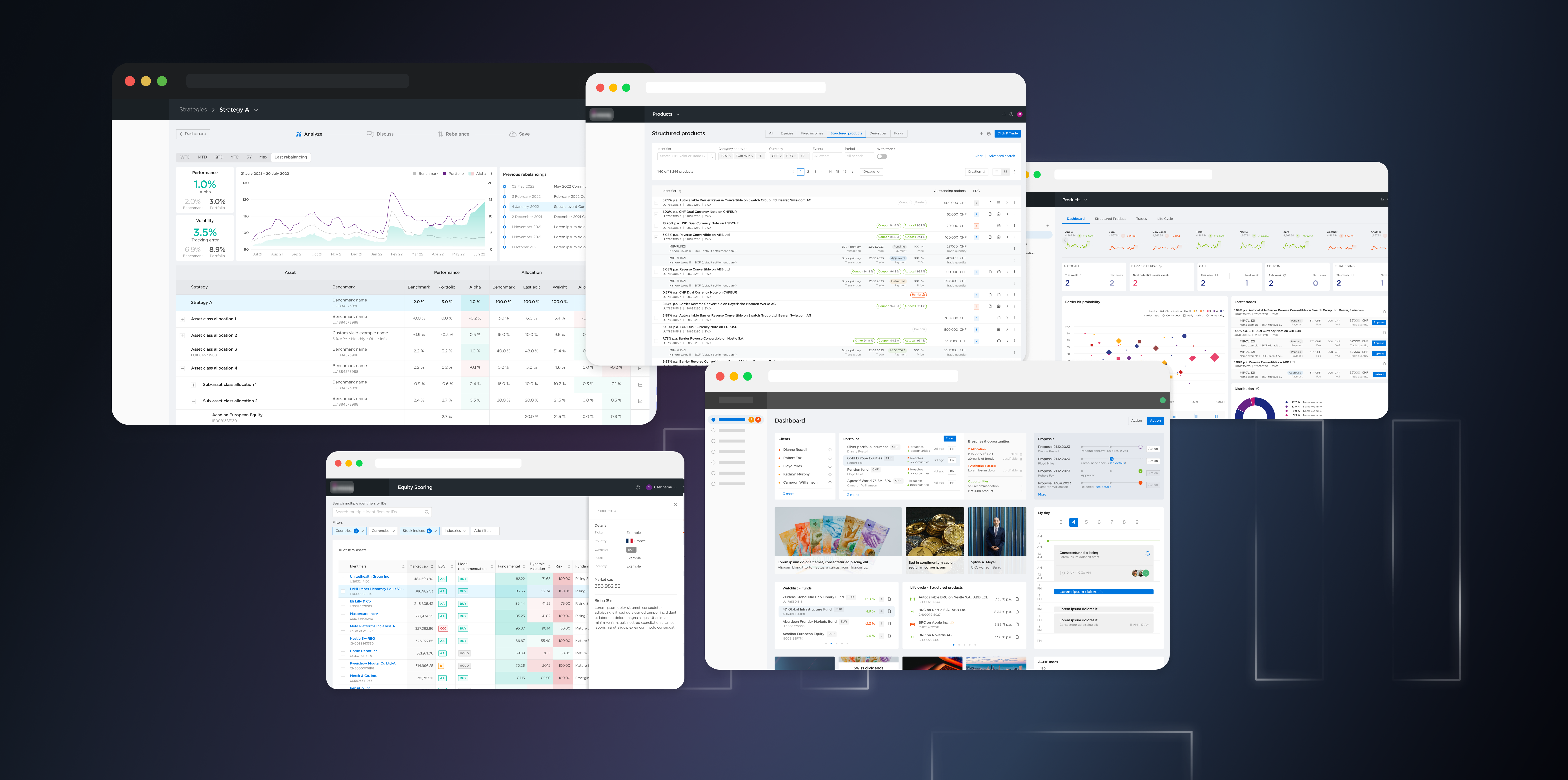
Legacy platforms consolidated into one product. Supporting multiple strategic initiatives within the wealth-management ecosystem.
50+
Requirements Analysed, translating business needs into actionable product and functional solutions.
25+
Stakeholders engaged, Collaborating across business, product and engineering teams.
Four legacy platforms were consolidated into one product ecosystem. I analysed the customer impact of different product areas and used these insights to help define a rollout strategy that aligned product priorities, business needs and customer impact.
CONTEXT
Evooq is a wealth-management technology company helping financial institutions deliver personalised investment solutions at scale.
THE PROBLEM
Years of product evolution had resulted in four separate platforms, each with its own workflows, requirements and interaction patterns.
The challenge was not simply to redesign the interfaces. We needed to understand which capabilities should be consolidated, which requirements were essential, and where investment would create the greatest value for customers and the business.
In a B2B2C environment, this also meant balancing the needs of two audiences: the financial institutions buying the platform and the advisors using it every day.

MY ROLE
Design lead
Led UX and product design for Strategies and Life Cycle Management, including responsive experiences and the creation of a new design system.
Research & testing
Conducted customer research and user testing for the Medusa unified platform, helping establish a more consistent research and validation process with banking clients.
Business Analysis & Strategy
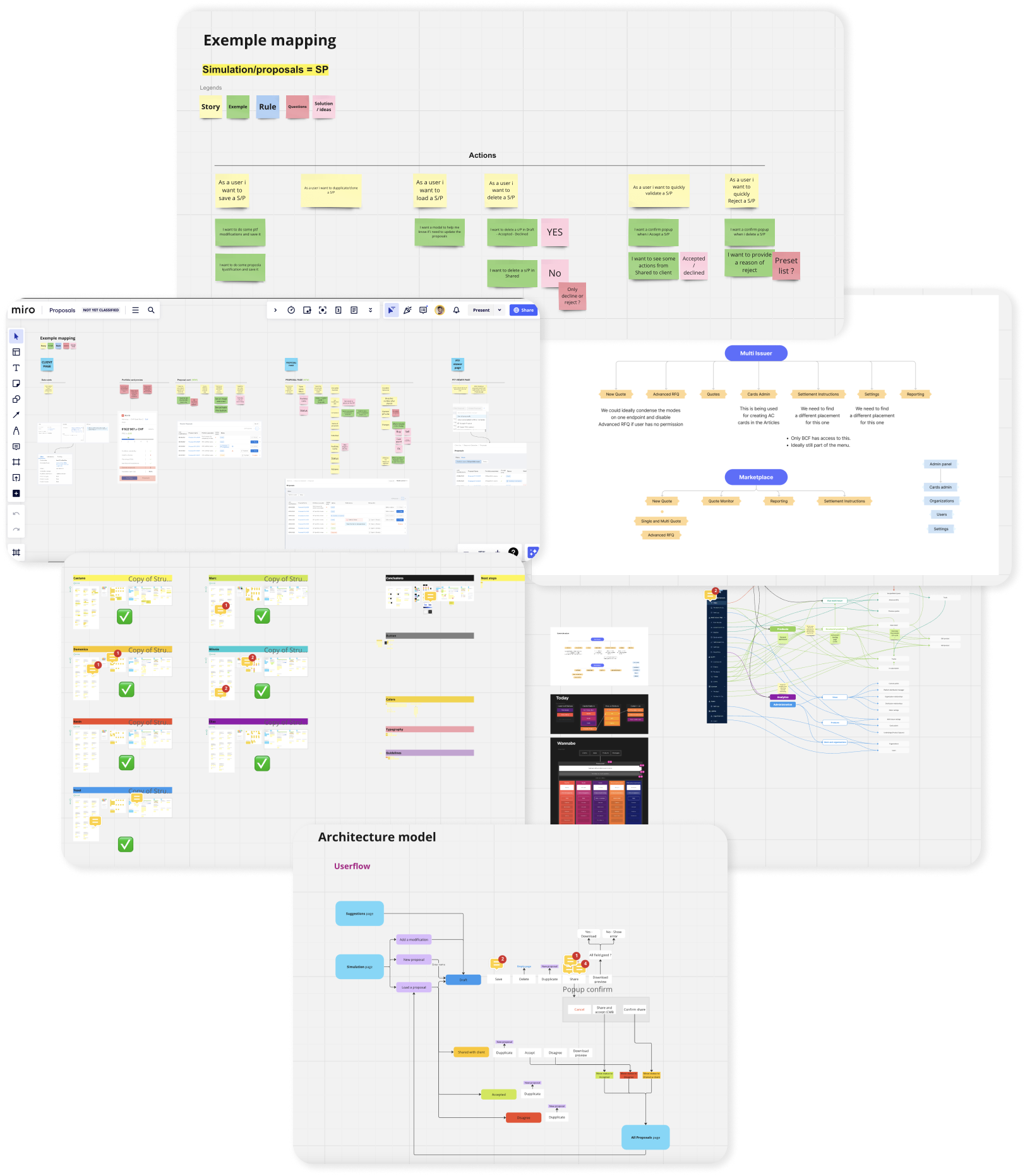
Analysed requirements, mapped customer and business needs, evaluated product opportunities and supported strategic rollout decisions with executive management.
01
Sizing the
problem
Before designing solutions, I focused on understanding the business context, customer impact and complexity of the existing product ecosystem.
I analysed requirements across the different platforms, identified overlaps and inconsistencies, and looked at which product areas affected the largest share of the customer base.
This helped turn a complex set of requirements and legacy constraints into clearer opportunities for consolidation and prioritisation.
WHAT I MEASURED
Business and user requirements across wealth-management
Pain points and inconsistencies across 4+ strategic products
Reusable patterns across multiple product experiences
SOURCE
Stakeholder discussions, product documentation & user feedback
UX audits, existing platforms & cross-functional collaboration
Design analysis & collaboration with Product and Engineering
DROVE
Clearer product requirements and solution direction
Opportunities for product simplification and standardisation
A scalable design foundation and greater consistency
02
Getting the rollout agreed
Once the opportunity areas were understood, the next challenge was deciding how to move from four platforms to one.
I worked with the Product team to structure different rollout scenarios, considering customer impact, dependencies, effort and risk.
Rather than presenting a single recommendation, I made the trade-offs between the options explicit and supported each scenario with a prototype showing what the future experience could look like.
I then presented the alternatives to the Executive Management Team, helping align stakeholders around a single rollout approach.
03
Designing through uncertainty
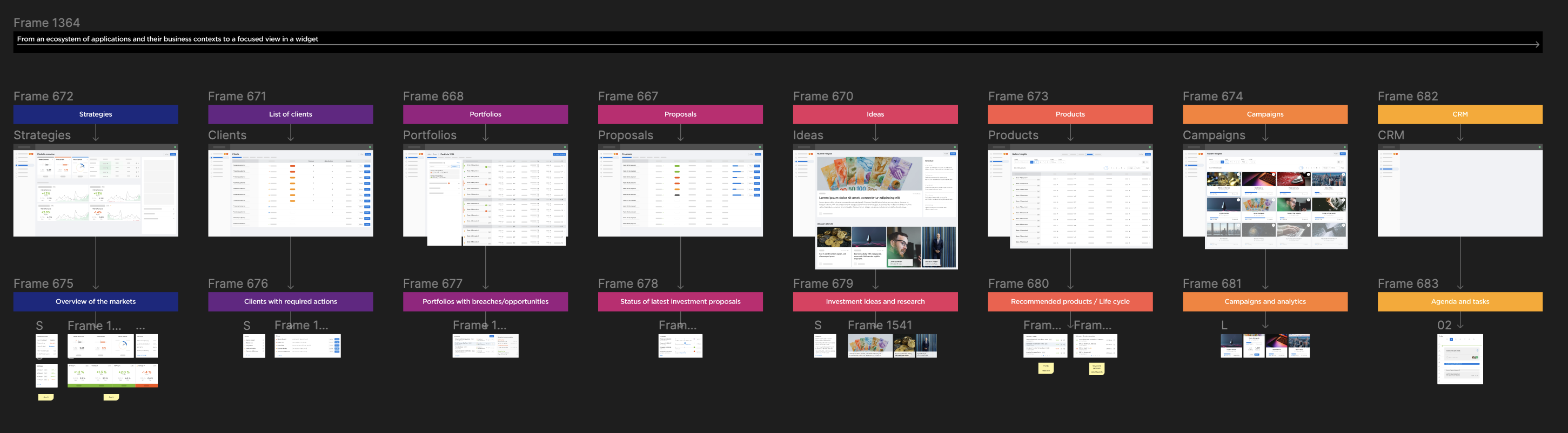
Years of accumulated infrastructure meant that the entire solution could not be defined upfront.
Instead, I adapted the design approach to the level of uncertainty at each stage.
When the problem was unclear, I focused on research and analysis. When requirements became clearer, I translated them into workflows and interaction models. When decisions needed validation, I used prototypes and testing.
I worked closely with Product Owners and Engineering to break the transformation into manageable steps while balancing new product capabilities with the stability existing customers depended on.
TOOLS AND DELIVERABLES
Customer journeys · Jobs to be Done · Sitemaps · User flows · Sketches · Wireframes · Prototypes · Interaction design · User testing · Business testing · Peer reviews · Handoff
04
The design
From strategy to experience
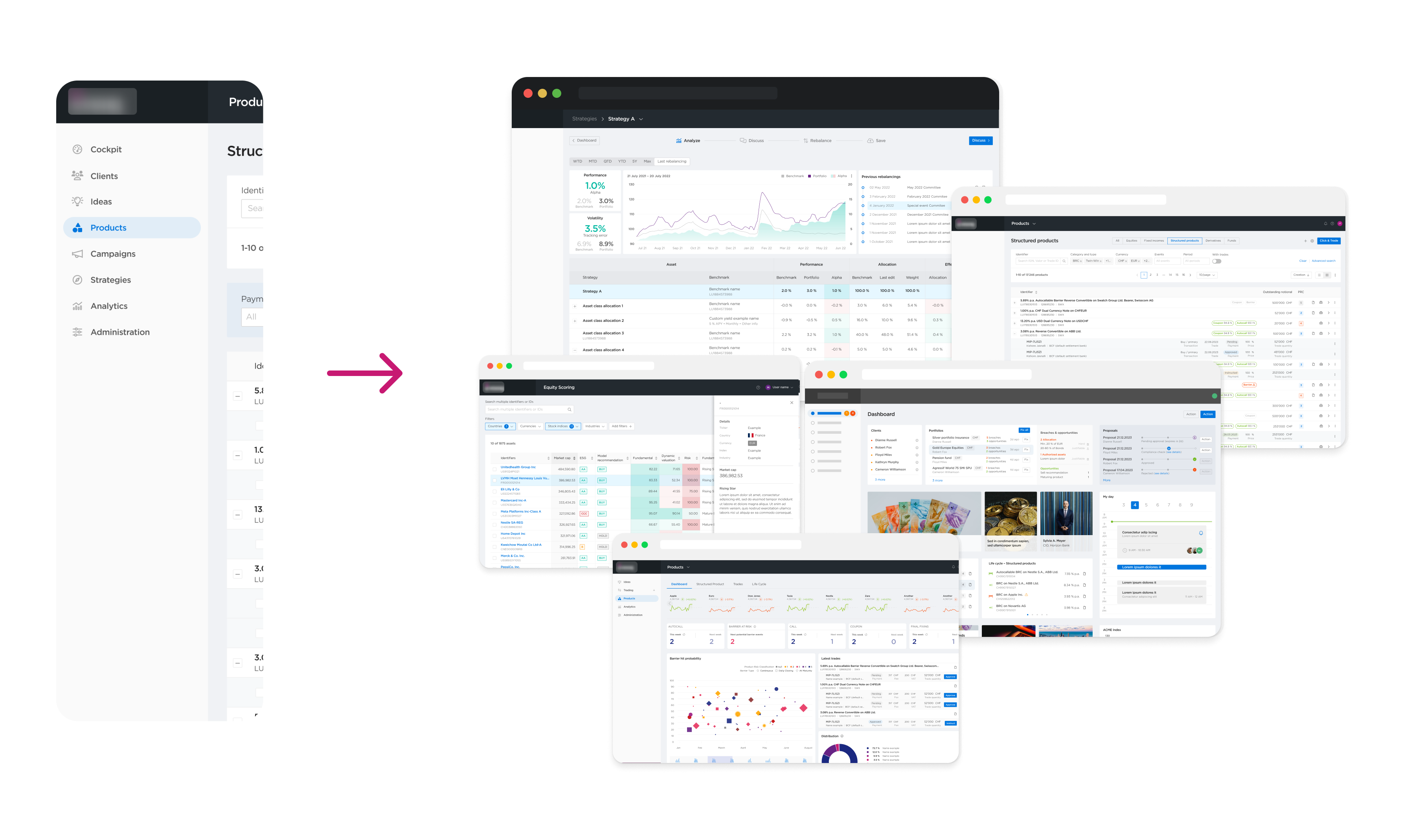
With the product direction established, I translated the identified requirements, user needs and business constraints into a unified product experience. The design focused on three principles:
Simplify
Make complex wealth-management workflows easier to understand and navigate.
Unify
Create consistent patterns across the different product areas and platforms.
Scale
Build reusable components and interaction patterns that could support the evolution of the unified platform.
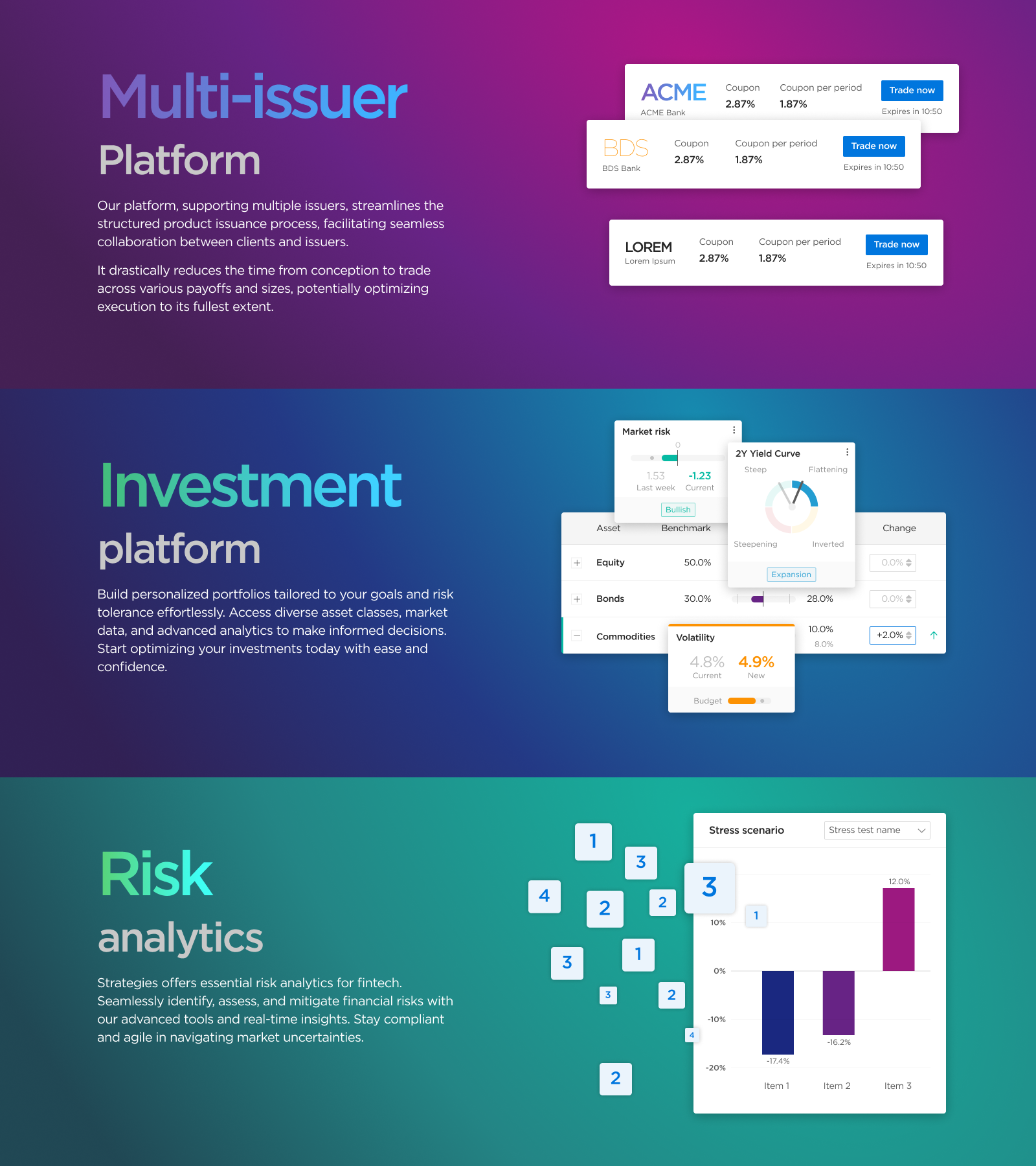
The following screens show how these principles translated into the final experience.
WHAT I WOULD DO DIFFERENTLY
Instrument earlier
We built the risk picture manually for each major decision. Defining the key metrics and signals earlier would have made later trade-offs faster and more evidence-based.
Test with banks sooner
In a B2B2C environment, the buyer and the daily user can have very different priorities. I would bring both perspectives into the first research cycle rather than waiting until validation.
Define success metrics with the PO
Agreeing on the metric a feature should influence before design starts makes evaluation much more objective and turns “Is this better?” into a question we can actually answer.
"User-centered design means working with your users all throughout the project." - Donald A. Norman
Attached files
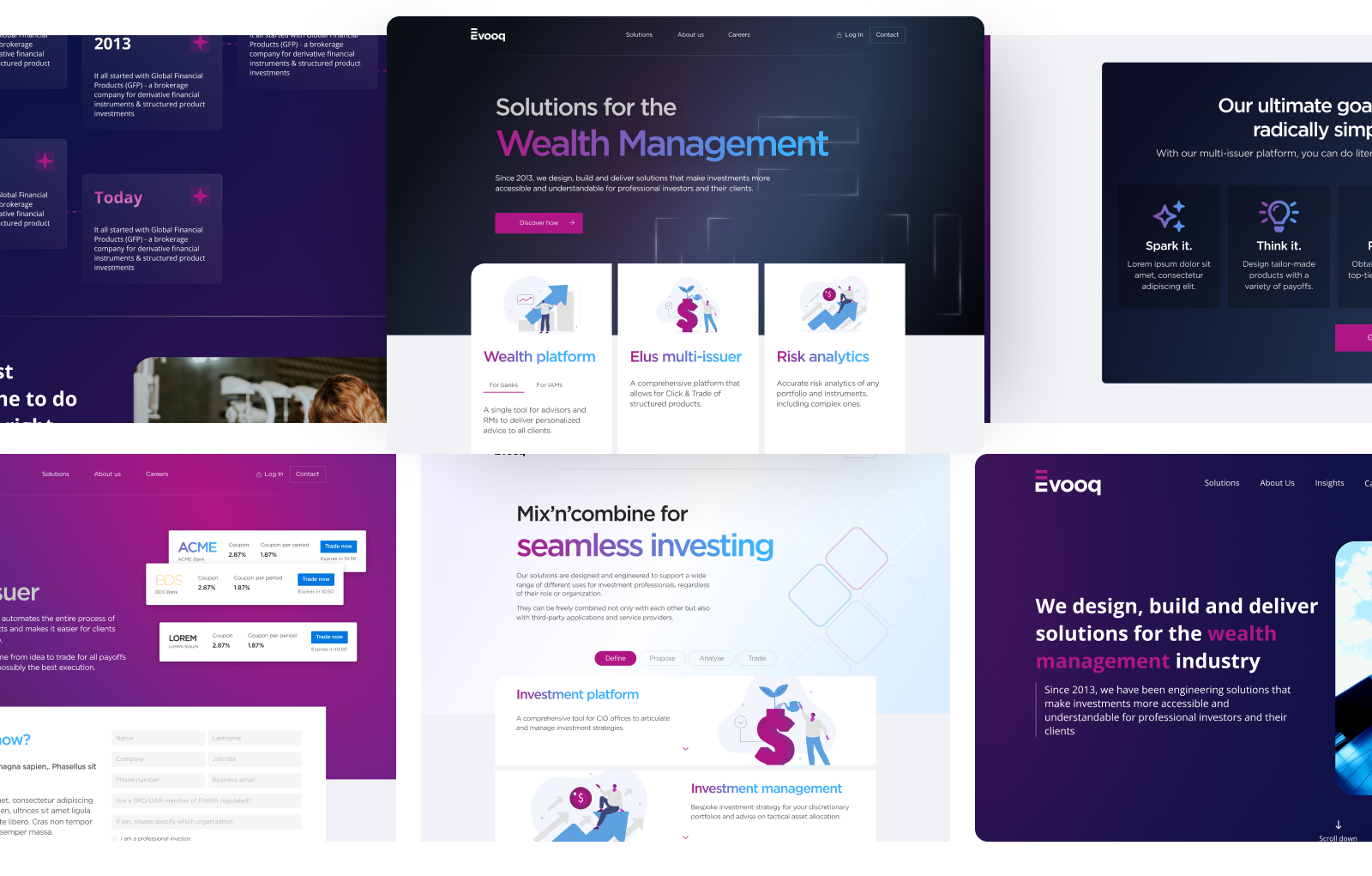
SIDE PROJECT AT EVOOQ
Website redesign
A separate project focused on redesigning Evooq's public-facing website,
translating the company's positioning and product offering into a clearer digital experience.

Selected Works
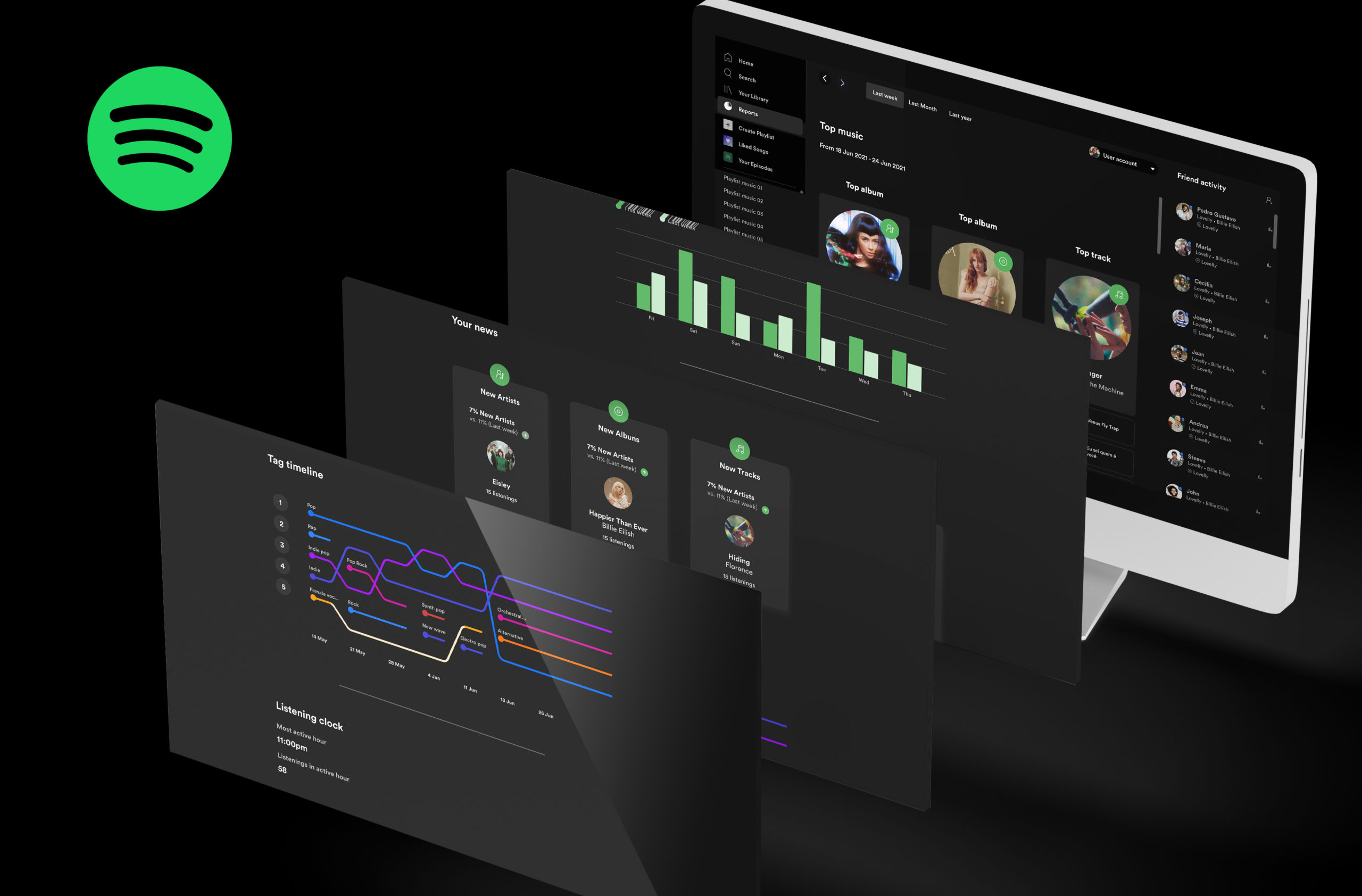
SpotifyProject type
PeepsProject type
Fintech projectsProject type
Centre PatronalInsurance company
SQLI projectsProject type
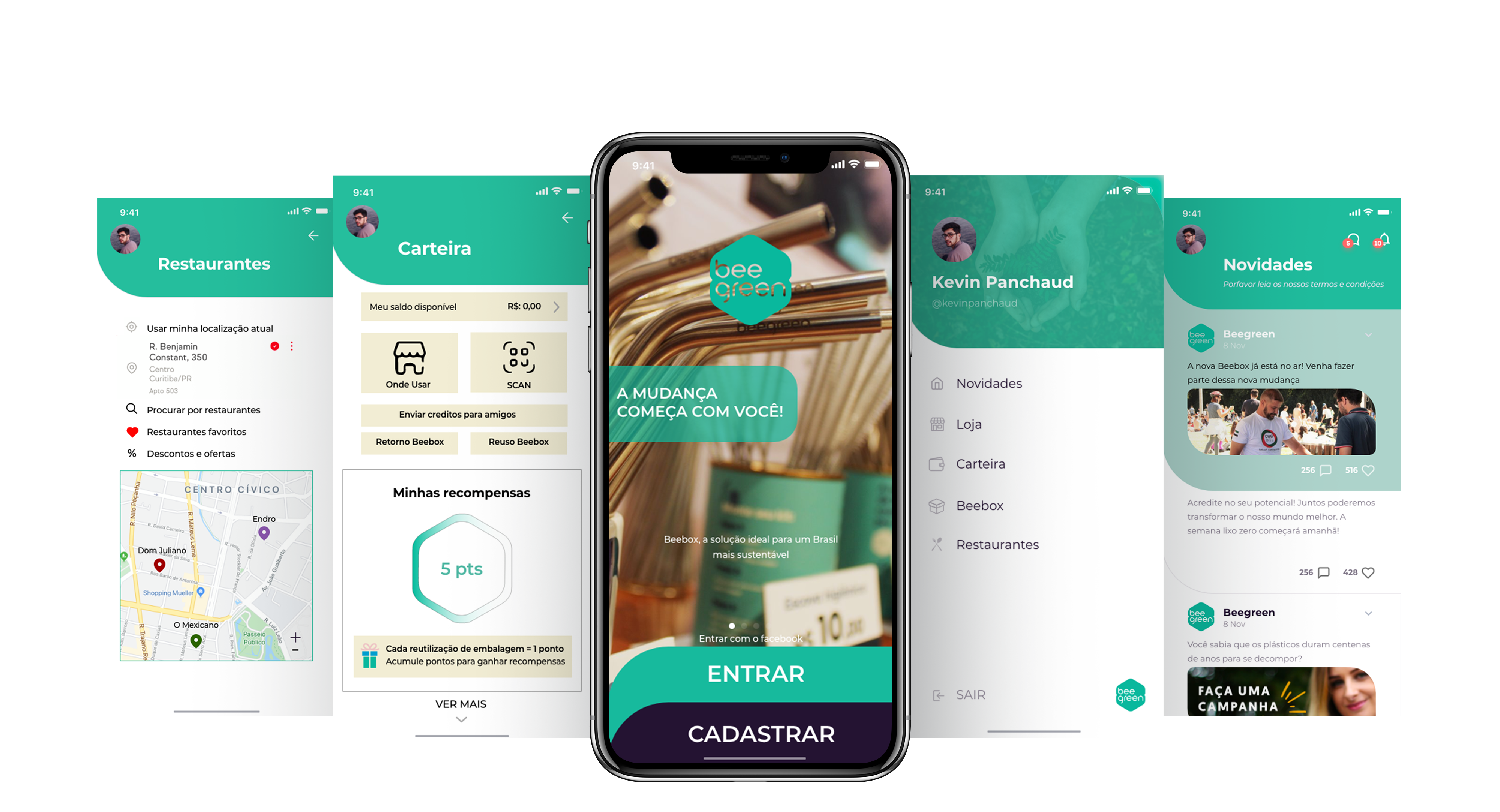
BeeAppProject type
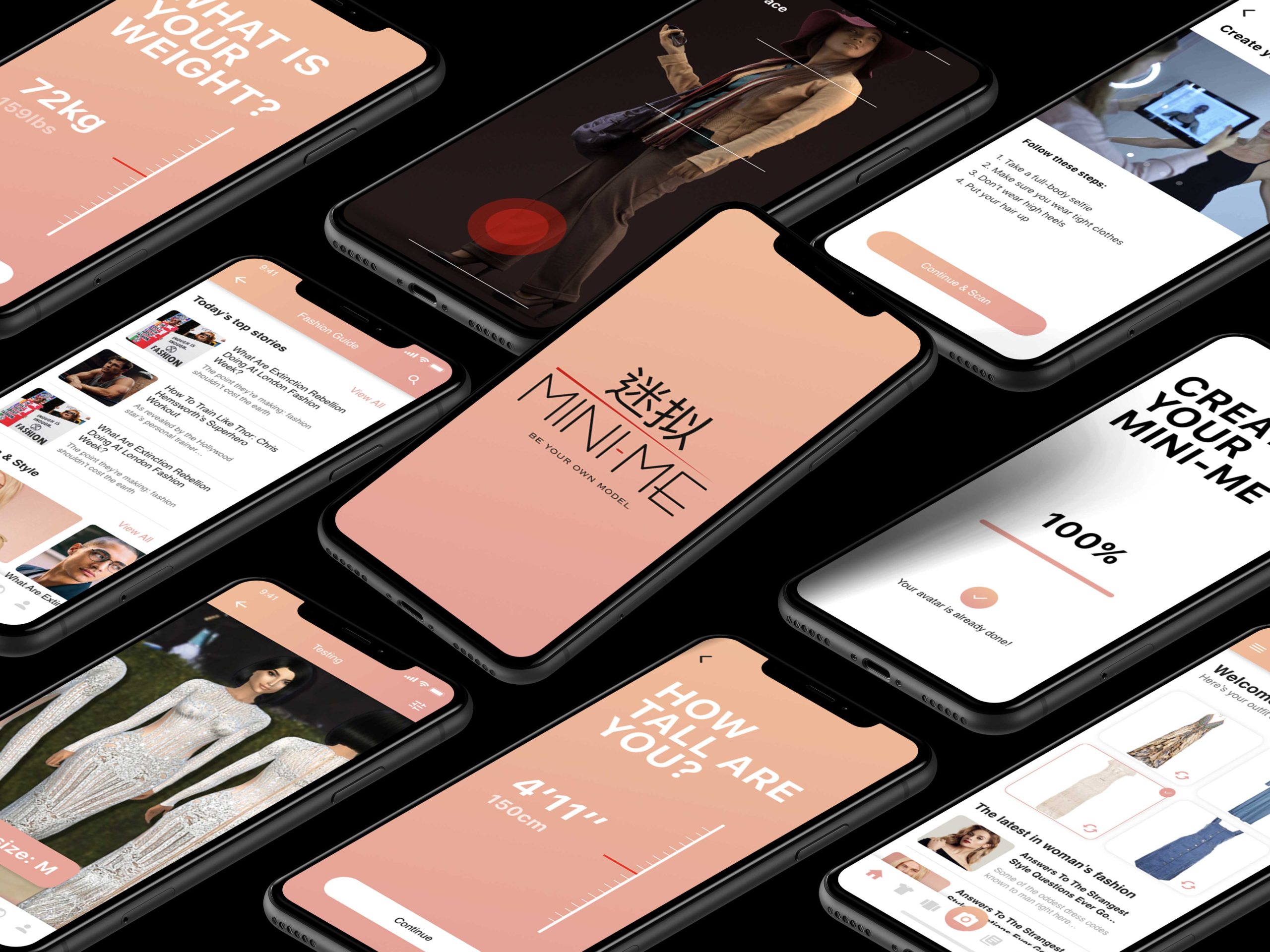
Mini.MeProject type

UBS RedesignProject type

Duolingo Landing PageProject type
Contact
Lausanne, Vaud CH
Phone: +41 79 674 65 54
Email: kevinpanchaud@gmail.com
© Kevin Panchaud 2026